
AV For You
Actual Vote for Election Workers
Front-row access — the strongest possible chain of custody.
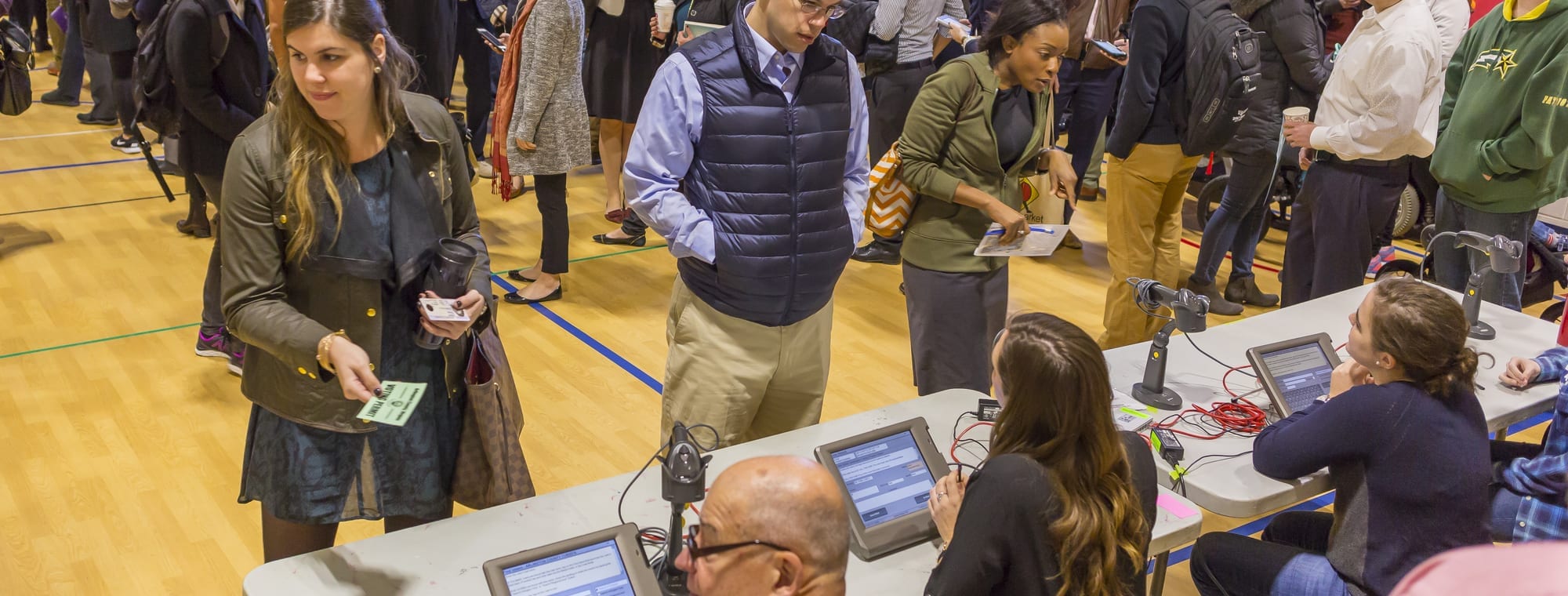
If you work at a polling place on election day — as a poll worker, poll judge, election clerk, or in any other capacity — you have something that most Actual Vote volunteers don’t: direct access to poll tapes as they’re being printed.
That access makes you uniquely positioned to contribute to independent election auditing. And it takes almost no extra effort beyond what you’re already doing.
Why your access matters
Most Actual Vote volunteers record poll tapes from outside polling places after closing time — posted on windows or doors per state law. These recordings are valuable, but they come after the tapes have been handled, posted, and possibly exposed to weather or passersby.
As an election worker, you can potentially record poll tapes as they come off the machine, during the closing procedure. This is the strongest possible chain of custody for Actual Vote evidence — the recording is made at the earliest moment the data exists in printed form, minimizing any opportunity for tampering or damage between printing and recording.
Outside volunteer
Posted-tape recording
Tape is printed → handled → posted outside → recorded later. Several handoffs in between.
Election worker
As-printed recording
Tape is printed → immediately recorded. No intervening handoffs. Earliest possible chain of custody.
What you’d do
The additional effort is minimal:
-
Before election day: Download the free Actual Vote app and take a practice recording to make sure it works on your phone.
-
During the closing procedure: When the tabulating machine prints poll tapes as part of the standard closing process, use the Actual Vote app to take a quick video recording of the tape before it’s handled further. This takes 1–2 minutes.
-
That’s it. The app uploads your recording automatically. America Counts handles the analysis.
Getting permission
This is the most important part: get approval from your supervisor before recording.
You’re already in a position of trust as an election worker, and recording poll tapes with your phone during closing could be perceived as unusual if you haven’t cleared it in advance. A brief conversation beforehand prevents any confusion.
Here’s a template for what to say:
“I volunteer with America Counts, a non-partisan nonprofit that independently audits vote reporting by comparing poll tape totals to officially reported results. I’d like to take a quick video of the poll tape after it prints during closing — it takes about a minute. The recordings are publicly archived and the analysis is published. Is that okay with you?”
In most cases, supervisors are fine with this once they understand what it is. If your supervisor says no, respect that — there are other methods for recording poll tapes that don’t require permission from election staff.
After your shift
Once you’ve finished your duties as an election worker, you’re a member of the public again. If poll tapes are posted publicly at your polling place (as required by law in many states), you’re free to record those as well — just like any other Actual Vote volunteer.
You can also visit other polling places in your area to record their posted tapes. Your election day shift gives you a head start: you already know the closing timeline and what to expect, which makes visiting additional locations easier.
How tape access varies by state
Who may view and record the results tape — and how — depends heavily on your state. We’ve sorted all fifty states and D.C. into five buckets, from “posted on the door for anyone to record” to “sealed and removed with no on-site access.” A few states are county-dependent. Find your state on the map for the specifics, the governing statute, and your ways to take part.
- Publicly posted. The signed results tape is posted at the polling place — often on the door or a window, sometimes readable from outside. Any watcher, or any passerby, can view and record it without a credential.
- Public at the close. No posted tape, but the count or canvass is open to the public. You can be present at the close, see the totals tape, and — where allowed — record it.
- Credentialed watchers only. The tape is viewable only by appointed or registered watchers, observers, or challengers. The route is getting credentialed in advance; recording often means taking your own printed copy.
- Sealed — no on-site access. The tape is sealed and removed, and on-site recording is barred or impossible. The realistic route is official online results plus post-election public records.
- Vote-by-mail / central count. No precinct tape — access is by observing the central counting center, which is open to the public in some states and credentialed in others.
- County-dependent. Access depends on the county’s equipment or procedure — some counties post or count publicly, others seal or count centrally. Check with your county.
Select a state to see exactly who can view and record the tape there, the governing statute, and your ways to take part.
Why this matters
Election workers are the backbone of the democratic process. You show up, you put in long hours, and you do the work that makes elections happen. Most of the time, everything goes smoothly — and nobody outside the polling place knows that, because there’s no independent record of it.
When you record a poll tape with Actual Vote, you’re creating that record. You’re helping to independently confirm that the process you participated in produced accurate results. And if something ever does go wrong — a reporting error, a software glitch, a data entry mistake somewhere downstream — your recording could be the evidence that catches it.
It’s a small addition to an already long day. But it’s one that turns your front-row access into a lasting contribution to election transparency.
Common questions
“Am I allowed to use my phone during closing?” This varies by jurisdiction. Some states restrict phone use by election workers inside polling places; others don’t. Check your state’s rules and clear it with your supervisor. If phone use isn’t allowed during closing, you can still record the posted tapes from outside after your shift.
“Will this get me in trouble with my county?” Not if you’ve gotten supervisor approval and you’re following your jurisdiction’s rules. America Counts is a 501(c)(3) non-partisan organization, and recording poll tapes is a legitimate activity. If you have any concerns, contact us and we can help you navigate the specifics of your situation.
“I’m exhausted after election day. How much extra time does this take?” Recording a poll tape during closing takes 1–2 minutes. Visiting additional polling places after your shift is optional — and we understand if you’re too tired. Even one recording from inside a polling place is valuable.
“What if I notice something wrong during my shift?” If you observe irregularities in the election process during your shift, follow your jurisdiction’s standard reporting procedures. Actual Vote is specifically about comparing poll tape totals to official results after the fact — it’s not a tool for reporting real-time irregularities. But if the irregularity involves vote reporting (e.g., you notice the posted tape doesn’t match what you saw the machine print), your Actual Vote recording becomes especially important evidence.
Spread the word to other poll workers
If you think this is worthwhile, chances are some of your fellow election workers will too. You don’t need to recruit an army — even mentioning Actual Vote to one or two colleagues at your next training session or on election day can make a difference. The more polling places that have someone recording a poll tape during closing, the more comprehensive the independent audit becomes.
You can share this page directly, or point them to the Start Here guide for the full overview.
Get started
Download the Actual Vote app and take a practice recording before election day. If you want guidance on the specifics of your jurisdiction, contact us and we’ll help you figure out the best approach.
For the full background on how the system works: Start Here.